sales@adtech.co.uk


1. UV-C Disinfection Is Widely Used in Water Treatment
UV-C light (200–280 nm) is used around the world to disinfect drinking water, wastewater and industrial process water. It works by damaging the DNA of microorganisms so they cannot reproduce.
This method is well documented and recognised in water treatment guidance.
UV systems normally use low-pressure mercury lamps inside quartz glass tubes, because quartz allows UV-C light to pass through effectively.
2. Standard Quartz Lamps Can Break
Quartz is strong under normal operating conditions, but it is still glass. It can break due to:
- Handling during installation or replacement
- Mechanical shock
- Thermal stress
When a lamp breaks inside a reactor chamber, operators may need to:
- Shut the system down
- Inspect the chamber
- Remove fragments
- Flush the system
Standard quartz lamps do not include built-in containment.
3. What a Fluoropolymer Coating Does
Fluoropolymers such as FEP (fluorinated ethylene propylene) are known for:
- High chemical resistance
- Stability at elevated temperatures
- Good light transmission properties
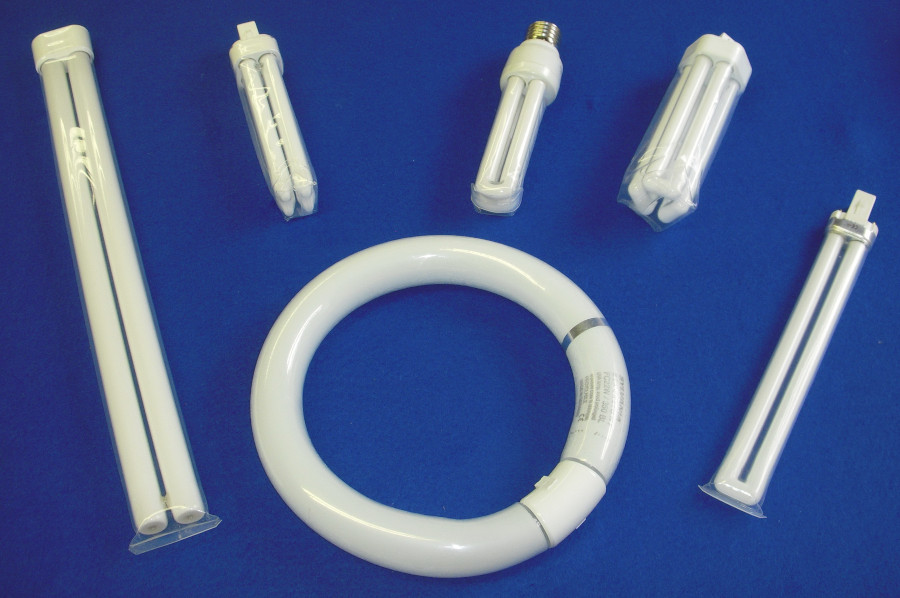
When applied as a sleeve or closed-end cover over a quartz lamp, the coating:
- Helps retain glass fragments if the lamp breaks
- Provides an additional barrier between the lamp and process fluids
- Adds a level of protection during handling
The coating does not improve the disinfection process itself. Its purpose is containment and protection.
4. Why This Should Be Specified at the Design Stage
If containment is not written into the original specification:
- UV systems are usually supplied with standard quartz lamps
- Containment becomes an optional extra
- Retrofitting later is more complex
By specifying fluoropolymer-coated UVC lamps at design stage:
- Breakage risk is addressed early
- Material compatibility can be checked against the process chemistry
- Procurement decisions are based on defined requirements, not cost alone
This follows the general principle in engineering design that operational risks should be considered during specification, not after installation.
5. Key Points for Engineers and Designers
When including coated UVC lamps in a specification, consider:
- Verified UV transmission data for the coated lamp
- Chemical resistance of the fluoropolymer material
- Operating temperature compatibility
- Clear statement that fragment retention is required
Including these points in tender documentation ensures that containment is treated as part of the system design, not an afterthought.
Fluoropolymer-coated UVC lamps are therefore best understood as a risk-control measure within UV disinfection systems — supporting safer operation and planned maintenance when specified from the outset.
How Adtech Supports Fluoropolymer-Coated UVC Lamp Projects
Adtech manufactures fluoropolymer heat shrink sleeves and closed-end covers specifically for UVC lamp protection and containment applications. Working closely with OEMs and engineering teams, Adtech applies high-purity fluoropolymer materials to customer-supplied lamps, ensuring dimensional accuracy, consistent shrink performance and compatibility with the intended operating environment.
Whether supporting new system designs or evaluating containment options during development, Adtech provides technical guidance on material selection, temperature range and chemical resistance to help ensure coated UVC lamps meet project requirements. For further technical discussion or to review a specific application, contact the Adtech team directly.