Start with the function, not the form
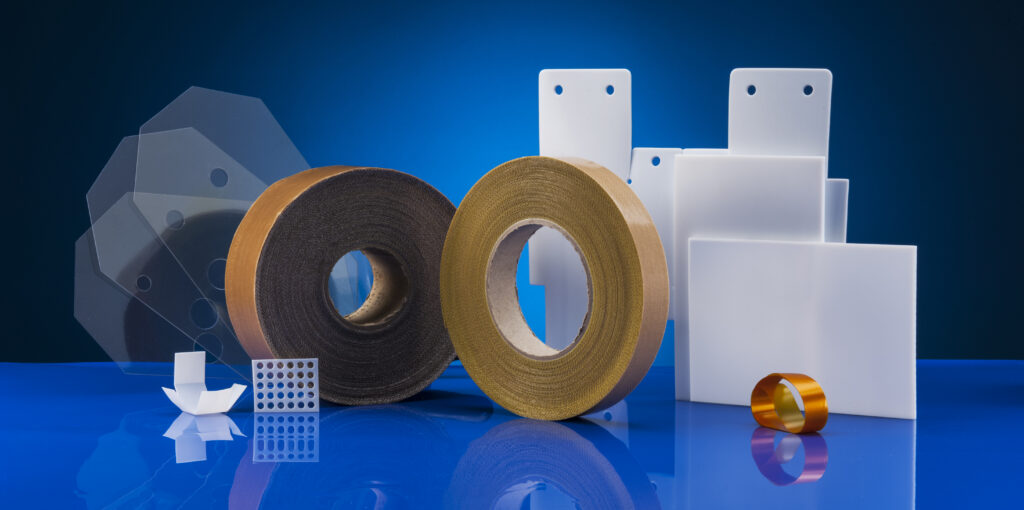
PTFE is supplied in many semi‑finished forms. The correct choice depends on how the material will be stressed in service.
PTFE sheet – when rigidity and machinability matter
PTFE sheet is produced by compression moulding and sintering, then skived or machined to size.
Best suited for:
- Machined components
- Gaskets and wear pads
- Linings and insulating parts
Key characteristics:
- Uniform density
- Predictable machining behaviour
- Excellent chemical resistance
PTFE seals – when chemical resistance overrides elasticity
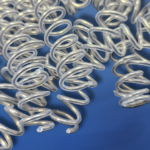
PTFE seals are used where elastomers fail, but they rely on design, not material elasticity, to seal.
Advantages:
- Broad chemical compatibility
- Low friction against mating surfaces
- Minimal extractables
Constraints:
- No inherent elasticity
- Requires correct preload and geometry
Specification checklist
Before specifying PTFE sheet or seals, define:
- Temperature range
- Chemical exposure
- Static vs dynamic loading
- Creep tolerance and dimensional stability
PTFE performance is application‑driven. Material selection alone is insufficient.n can be applied to a wide range of free-issue components where protection, isolation, or compliance is required.
Have a similar requirement? Get in touch