bespoke fabrications
Vacuum Forming
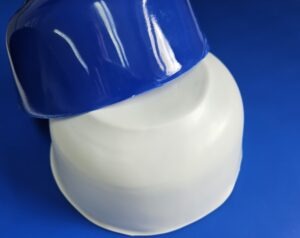
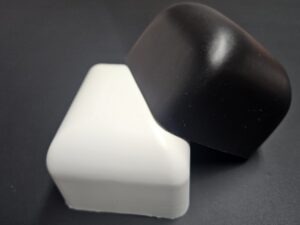
Vacuum forming is a fast, flexible way to shape thermoplastics into custom parts.
We’ve invested in a vacuum former that allows us to handle everything from one-off prototypes through to scaled production runs.
Whether you’re developing a new product, trialling a design, or looking forlightweight, durable components, our in-house team can help.
Why choose us for Vacuum Forming?
- Prototype to production – we can supply small volumes for R&D and scale up as required.
- Fast turnaround – quick tooling setup helps you move projects forward faster.
- Flexible tooling – works with 3D printed form tools for cost-effective development.
- R&D expertise – our team will help identify the best materials and process for your part.
- Profile considerations – we’ll advise on thickness and draw depth to avoid thinning over tooling.
Materials for Vacuum Forming
We are actively trialling and developing vacuum forming solutions across a range of thermoplastics, including:
PVC – widely used, versatile.
PETG – including dental retainer-grade material (trials ongoing).
HIPS (High Impact Polystyrene) – durable, impact-resistant.
If your application calls for another material, we’ll be happy to run feasibility trials.
Applications for Vacuum Forming
Vacuum forming is ideal for:
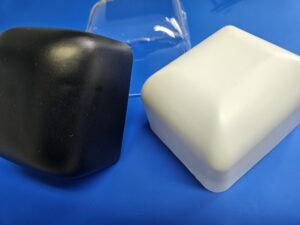
- Lightweight enclosures and housings
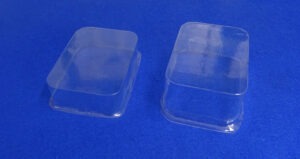
- Protective covers and trays
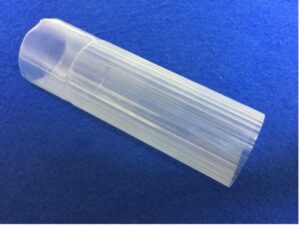
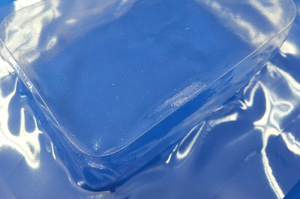
- Specialist membranes and thin-profile parts
- Prototypes for product development
- Low to medium volume production runs
Custom Vacuum Forming for Your Application
Our vacuum forming services are built around flexibility. From concept development to final delivery, we offer the expertise and equipment to create high-quality parts that fit seamlessly into your system.
FAQs
What is vacuum forming used for?
Vacuum forming is commonly used to create lightweight, durable parts such as covers, trays, housings, and specialist membranes.
What are the advantages of vacuum forming?
It’s cost-effective, works with low tooling costs, offers quick turnaround times, and can produce both simple and complex profiles.
Can vacuum forming be used for prototypes?
Yes, our process supports small batch and single-unit prototypes, ideal for testing designs before scaling.
Which materials can be vacuum formed?
We currently work with PVC, PETG, HIPS, and FEP membranes, and are trialling polypropylene, polycarbonate, and acrylic.
Does material thickness affect vacuum forming?
Yes, thinner sheets can become stretched if pulled too far over tooling. Our team advises on the best thickness for your design.


Learn more
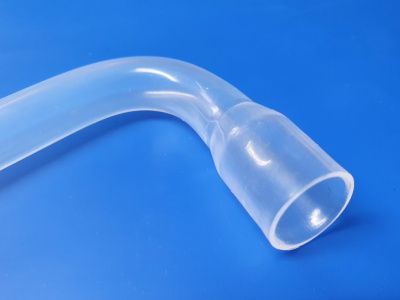
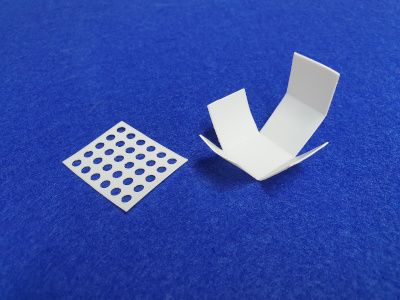
Thermoforming is a plastic moulding technique where fluoropolymers are manipulated into complex profiles; any size, shape or form is possible.
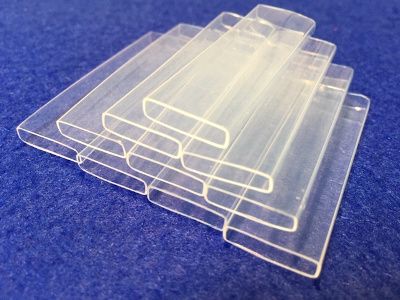
We were approached by a client to create a rectangular profile component using a fluoropolymer. The project included critical elements and constraints.
PTFE sheets are one of our most recent developments, and like our specialist fluoropolymer tubes and rods, they are highly effective in a variety of business scenarios.