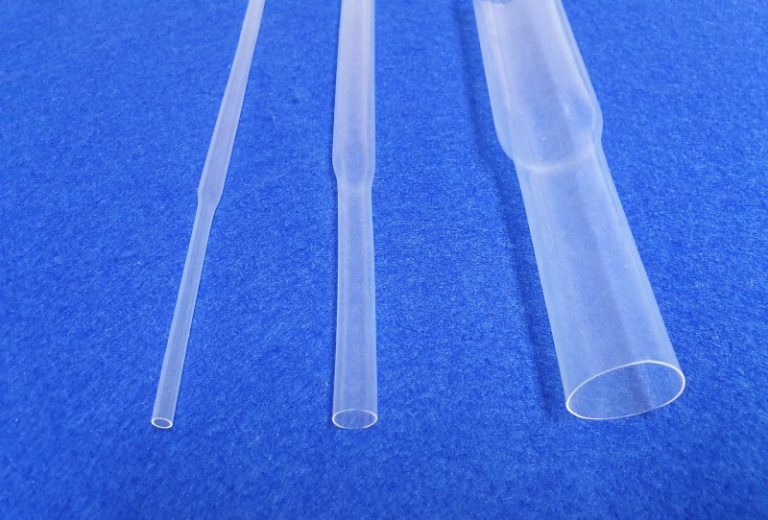
When Should You Choose 1.6:1 FEP Heat Shrink?
Discover when 1.6:1 FEP heat shrink offers the right balance of recovery, protection and performance for complex component assemblies and...

When Should You Choose 1.6:1 FEP Heat Shrink?
Discover when 1.6:1 FEP heat shrink offers the right balance of recovery, protection and performance for complex component assemblies and...
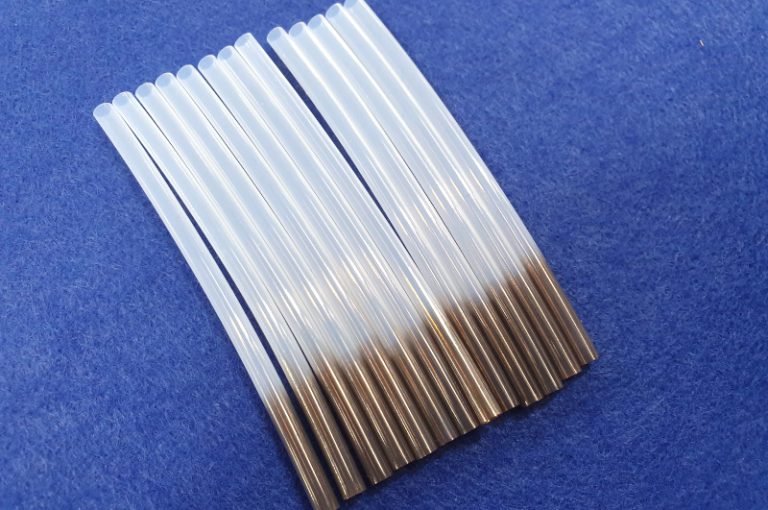
How to Bond PTFE, FEP and PFA: When Is Chemical Etching Required?
Learn why PTFE, FEP and PFA are difficult to bond, when chemical etching is needed and how selective treatment works.
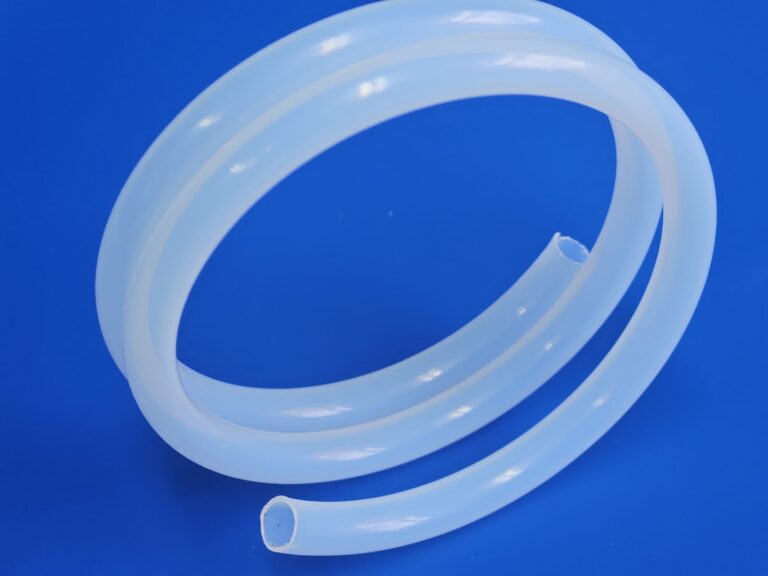
Case Study: Custom PTFE Coil for Smooth Filament Feed in a 3D Printer
Adtech formed stock PTFE tubing into a custom coil, helping guide 3D printer filament smoothly while controlling tooling and costs.

PFAS Regulation in 2026: What PTFE, FEP and PFA Users Need to Know
A clear 2026 update on PFAS regulation, what’s changing across Europe and the UK, and implications for fluoropolymer users and...

From Concept to Production: Bespoke Fluoropolymer Components for Medical Applications
See how Adtech takes bespoke medical fluoropolymer components from early material selection and prototype tooling through testing and repeat production.
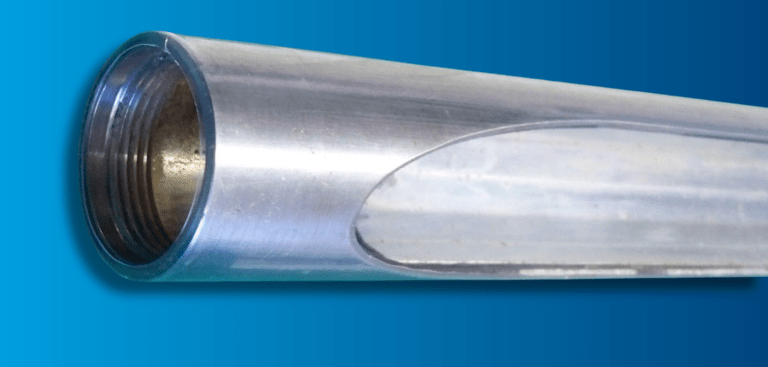
Case Study: FEP Coated Inline Sight Glass Assemblies
A customer required a series of free issue metal inline sight glass tube assemblies protected with a fluoropolymer coating.

Case Study: Vacuum Formed FEP Baffle Tube for University Research Project
The Problem A university research project required two bespoke baffle tubes manufactured from ultra-thin 50-micron FEP sheet. The finished component...

Why Engineers Choose Filled PTFE Tubes for Critical Projects
When it comes to high-performance tubing, unfilled PTFE is often the go-to choice. But in demanding environments, standard PTFE may...

What Is PTFE? A Practical Guide to PTFE, Teflon, and PTFE Plastics
The short answer PTFE (polytetrafluoroethylene) is a high‑performance fluoropolymer used where heat, chemicals, and friction defeat conventional plastics. Teflon™ is...
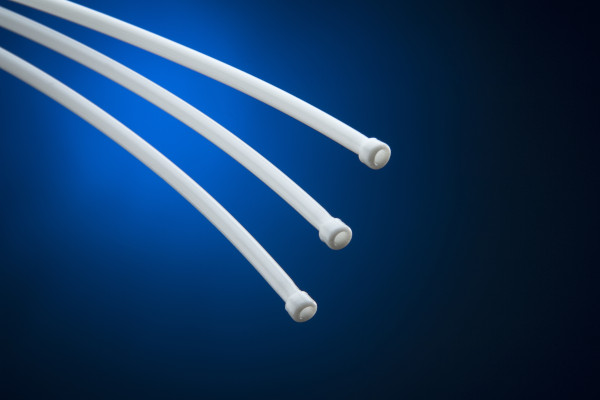
PTFE Material Properties – Temperature Limits Explained
Why temperature data matters PTFE is frequently selected for high- and low-temperature applications, but thermal misunderstanding is a common cause...