sales@adtech.co.uk


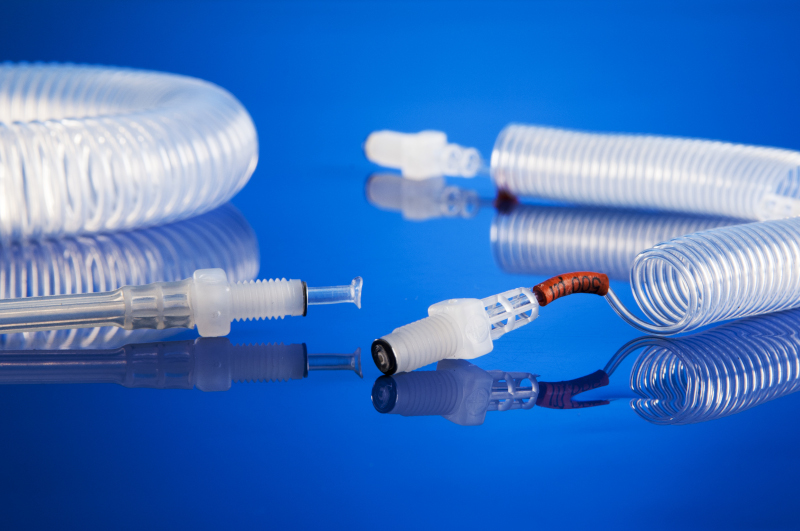
Fluoropolymers enjoy a range of unique properties, from thermal to chemical, mechanical and more. These exceptional characteristics make them high performance materials with limitless possibilities. As a result, fluoroplastics can meet severe environmental conditions and are ideal for use in many medical, food and drink, automotive and other applications.
What are fluoropolymers?
Fluoropolymers are high-performance plastics with unique properties. The most common materials are PTFE, FEP, PFA, ETFE, E-CTFE and PVDF. While a plastic molecule contains a carbon chain with hydrogen atoms attached, in a fluoroplastic molecule, the hydrogen atoms are replaced with fluorine atoms. This dramatically changes their properties and transforms them into the Hercules of plastics.
The unique properties of fluoropolymers
PTFE, FEP, PFA and other fluoropolymers enjoy the following unique properties.
Thermal properties
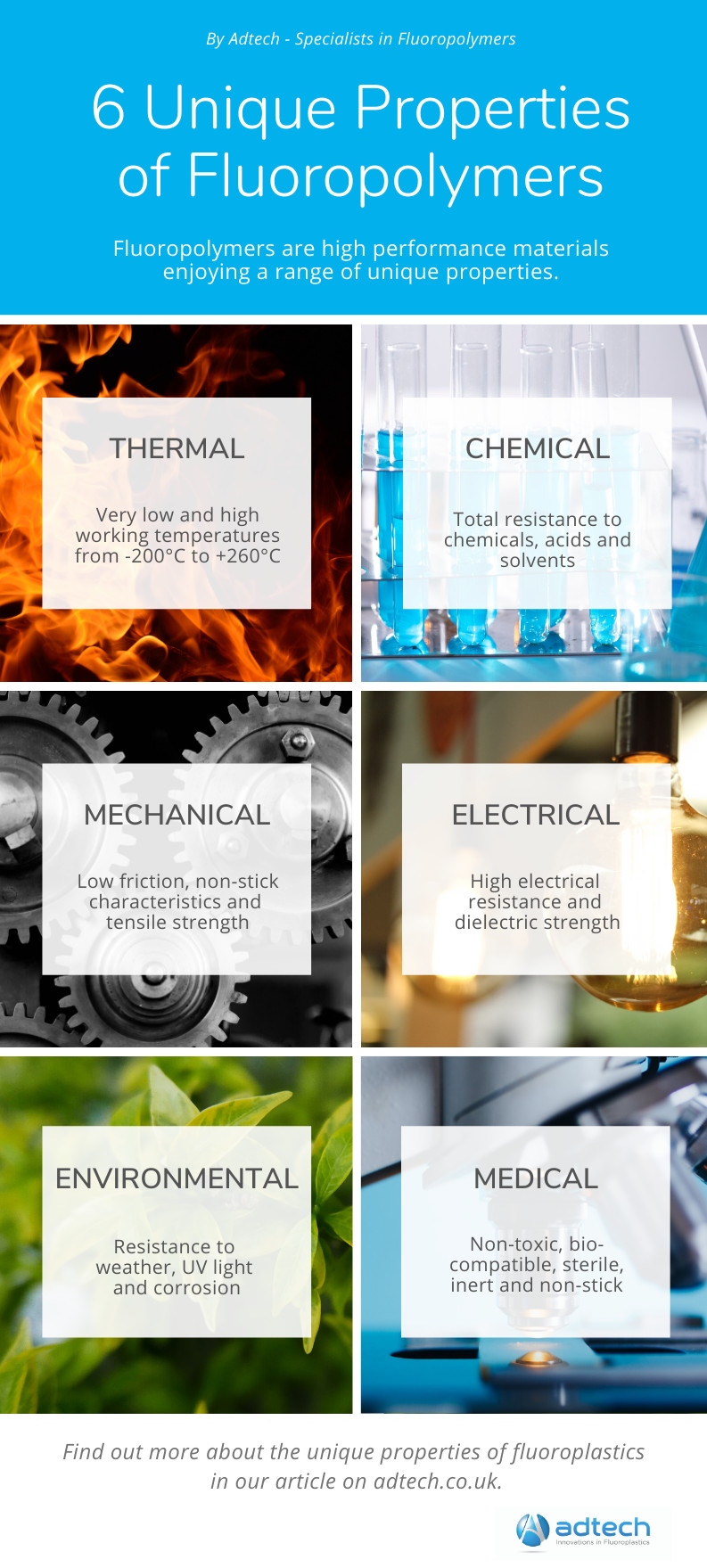
Fluoroplastics are some of the most thermal resistant plastics. With very low and very high working temperatures ranging from -200°C right up to +260°C, fluoropolymers do not melt and need to be processed using special tooling and techniques. This temperature resistance makes PTFE, FEP and PFA ideal for use in heated processes within manufacturing and laboratory applications, such as making chips and encapsulating heaters.
Chemical properties
Another key characteristic of fluoropolymers is their total resistance to chemicals and solvents; PTFE, FEP and PFA are some of the most inert materials known to man. This chemical property makes them perfect for the transport of chemicals and solvents, as well as for use in gaskets, vessel linings, pump interiors, seals and well-drilling components.
Mechanical properties
From low friction to non-stick characteristics and tensile strength, fluoroplastics enjoy many mechanical properties; They do not rub, stick or break under tension. Thanks to these high performance characteristics, fluoropolymers are used in many mechanical applications, such as sleeve bearings, push-pull cables and non-stick roller covers.
Electrical properties
Another key characteristic of PTFE, FEP and PFA is their electrical resistance and dielectric strength. Fluoroplastics are excellent insulators against both electricity and heat. This electrical property makes them ideal for use in electrical and electronic applications, such as the insulation of wires, cables and components.
Environmental properties
Resistant to weather, UV light and corrosion, fluoroplastics also enjoy environmental properties. These materials can withstand harsh and aggressive environments, which along with their temperature and chemical resistance make them perfect for the oil and gas, and chemical industries.
Fluoropolymers do not become degraded by the heat or the UV rays emitted by lamps. As a result, PTFE, FEP and PFA are also ideal for use in sterilisation, pharmaceutical and medical applications. In addition, these unusual plastics can be recycled at specialist facilities.
Medical properties
Last but not least, fluoropolymers also enjoy unique medical properties. Not only are these materials inert and non-stick, fluoroplastics are also non-toxic, bio-compatible and can be sterilised. This makes them perfect for medical and pharmaceutical, food and drink, and cosmetics applications, and for use in medical devices, fluid delivery systems and food production lines.